Items
"The Network's catalog department logs every object on the floor. The runner who picks one up is, briefly, doing inventory."
A reference to the materials, consumables, and tools a runner finds, carries, and crafts on Floor 1. This page is the floor's non-weapon catalog — the things runners build with and build from.
Combat weapons live on their own page. For  the blunt smasher line, the
  Slingshot, and the Custodian's drops — see Weapons & Gear. When an item here is an ingredient in a weapon craft, the weapon is linked across to that page.
Numbers below reflect catalog base values. Where an item can be swung in a pinch, its improvised damage roll is noted — but the Network reminds runners that a crafting component is not a weapon, and the tape will show the difference.
Materials & components
The floor's raw vocabulary. None of these win a fight on their own; together they become most of what does.
Metal Rod

Type. Crafting component (metal). Stackable. Improvised melee: 5–10 blunt.
A length of structural steel. Heavy enough to hurt, plain enough to become almost anything. The floor leaves these everywhere a wall used to be.
Used in. Reinforced Baton, Reinforced Slingshot. Also the deconstruct yield of a Reinforced Baton or Heavy Steel Wrench.
Grip Wrap

Type. Crafting component (textile). Stackable.
Adhesive cloth wrap. Turns a bare rod into something a runner can actually hold onto.
Used in. Reinforced Baton, Field Baton, Slingshot, Improvised Shield.
Scrap Metal

Type. Crafting component (metal). Stackable, throwable. A bare throw causes no impact damage.
Floor debris with a second life. Ammunition for the Slingshot, ballast for a craft, a projectile in a pinch. A Trigger-kit runner who is out of scrap metal is a Trigger-kit runner doing math.
Used in. Slingshot (ammunition), Improvised Shield, Shrapnel EMP, Lockpick.
Stock Bolt
Type. Ammunition (metal). Stackable.
A dense scrap-metal bolt, machined down to feed a bow or a launcher. The Service Bow and the Calibration Bolt Launcher share this one ammo line — when a runner is out of bolts, both weapons fall back to a no-ammo Dry Loose.
Used in. Service Bow, Calibration Bolt Launcher (ammunition).
Frayed Copper Wire

Type. Crafting component (electronic, conductive). Stackable. Improvised hit: 1–2 electrical.
Stripped conduit wire. Conducts current, and conducts a runner's worse ideas about current, equally well.
Used in. Slingshot, Spark Fuse, Arc Mine, Lock Bypass Spike, Lockpick — and the Rig verb's basic tripwire consumes one.
Industrial Thermite Paste

Type. Crafting component (chemical, thermal). Volatile, flammable, stackable. Improvised hit: 1–3 thermal.
The Floor 1 ignition material. Sticks to surfaces. Burns through equipment. Each charge is an ignition source or a recipe ingredient — and deciding which is the first call a runner working the thermal channel makes on Floor 1. Fire is a damage channel any runner can deliver, not a starting kit; this is where it starts.
Used in. Molotov, Thermal Coating and Primed Charge crafts.
Head Strap Fragment

Type. Crafting component (textile). Stackable.
Torn webbing off a piece of safety equipment that did not, in the end, keep anyone safe. Still good for a strap.
Used in. Improvised Shield.
Electronic Components

Type. Crafting component (electronic). Stackable. Improvised hit: 1–2 electrical.
Salvaged boards, leads, and contacts. The floor's electronic vocabulary, sorted into a handful.
Used in. Capacitor Bank. Also the deconstruct yield of an EMP Grenade or a Data Chip.
Chemical Reagent Canister

Type. Crafting component (chemical, reagent). Stackable. Improvised hit: 1 blunt.
Industrial-grade chemical stock. Volatile, useful, and regulated by people who are no longer on the floor.
Used in. Filtered Stim, Antitoxin Injector, Emergency Foam Injector, Antidote.
Raw Battery Cell

Type. Crafting component (electronic, battery). Volatile, stackable. Improvised hit: 2–4 electrical.
An uncharged — or barely-charged — cell. Stable until it isn't.
Used in. Spark Fuse, Capacitor Bank. Also the deconstruct yield of a Plasma Lighter.
Filter Unit

Type. Crafting component (filter, Exposure protection). Stackable.
A breathing-grade filter cartridge. Civilization, in a small replaceable form.
Used in. Antitoxin Injector, Crudely Sealed Hood.
Spark Fuse

Type. Crafting component (ignition, electronic). Common. Improvised hit: 1–2 thermal.
A short, reliable ignition fuse, and the start of the floor's bigger electrical builds.
Crafted from. Frayed Copper Wire + Raw Battery Cell. Also the deconstruct yield of a Plasma Lighter.
Capacitor Bank

Type. Crafting component (electronic, conductive). Volatile, uncommon. Improvised hit: 2–5 electrical.
Stored charge in a hand-sized package. The floor's heavier electrical work starts here.
Crafted from. Electronic Components + Raw Battery Cell.
Used in. Arc Mine.
Thermal Tape

Type. Crafting component (extreme heat). Common. Improvised hit: 1–2 thermal.
Heat-rated adhesive tape. Holds a torch together; holds heat where the runner wants it.
Source. Floor salvage.
Adhesive Patch

Type. Crafting component (healing). Common.
A medical-grade adhesive patch — half of what a stim used to be before the stim was used.
Used in. Healing Salve. Source. The deconstruct yield of a Half-Empty Stim-Pad.
Fragile Glass Shards

Type. Crafting component (sharp, fragile). Common. Improvised hit: 2–5 piercing.
Broken laboratory glass. Sharp, light, and — the catalog is firm on this — not built to last.
Source. The deconstruct yield of a Chemical Vial.
Chemical Vial

Type. Crafting component (chemical, reagent). Stackable. Improvised hit: 1–2 blunt.
A sealed vial of laboratory chemical. Best opened on purpose.
Used in. Filtered Stim. Deconstructs into Chemical Reagent Canister + Fragile Glass Shards.
Mutant Fur Patch

Type. Crafting component (wearable, Exposure protection). Common.
Hide off something the floor produced. It insulates. The Network suggests the runner not ask the floor for a receipt.
Used in. Crudely Sealed Hood.
Data Chip

Type. Component (electronic, hackable). Common.
A salvaged data chip. Slotted into a hacking attempt, it shaves roughly two seconds off the work, then burns out.
Used in. Lock Bypass Spike. Deconstructs into Electronic Components + Lock Bypass Spike.
Pipe Fitting

Type. Crafting component (metal, plumbing). Stackable.
A threaded length of pipe hardware. On its own it does nothing; bolted to the right handle, it becomes the heavy end of the blunt line.
Used in. Heavy Pipe Wrench (with a Reinforced Baton).
Servo Motor

Type. Crafting component (electronic). Improvised hit: 2–4 blunt.
A small motor stripped from a piece of floor machinery. A building block for the floor's electronic and mechanical work.
Insulated Wire Coil

Type. Crafting component (conductive, electronic, tool). Improvised hit: 1–2 electrical.
A coil of insulated, heavier-gauge wire — the conductive stock for the floor's electrical builds, and safer to handle than a bare strip.
Bot Optic Lens

Type. Crafting component (electronic, surveillance). Improvised hit: 1 blunt.
The optical sensor pulled from a destroyed bot. The floor's targeting and ranged-sight builds start here.
Used in. Targeting Chip (with a Data Chip), Service Bow (with a Reinforced Slingshot).
Camera Sensor

Type. Crafting component (electronic, surveillance). Improvised hit: 1 blunt.
A salvaged camera sensor. A versatile electronic component — the start of the floor's scanner, remote, and trap-sensor builds.
Used in. Jury-Rigged Scanner, Production Remote, Motion Sensor. Source. The deconstruct yield of a Jury-Rigged Scanner.
Janitech Battery Cell

Type. Crafting component (electronic). Stackable.
A Janitech extended-life cell, decades past its warranty and still holding charge. The last component the best droid handset needs.
Used in. MR-T3 Handset (with an MR-T2 Handset).
MR-T1 Service Core
Type. Crafting component (electronic, salvaged). Stackable.
The intact control core pulled from a destroyed MR-T1. Worthless on a rate sheet, but it is the heart of a droid's revival — the piece a runner needs to bring a companion back.
Used in. MR-T1 Homecoming Cartridge (with Frayed Copper Wire).
Tension Spring
Type. Crafting component (mechanical, trap component). Stackable.
A small spring still looking for something to launch. Trap-grade hardware that also drives the top of the slingshot line.
Used in. Loaded Slingshot (with a Reinforced Slingshot).
Motion Sensor

Type. Crafting component (electronic, surveillance, trap component). Stackable.
A motion-triggered sensor for the floor's trap work — it notices movement and immediately reports it.
Crafted from. Camera Sensor + Frayed Copper Wire.
Explosive Part

Type. Crafting component (volatile, trap component). Stackable.
The volatile core of a built trap — the part everyone agrees should not be loose.
Crafted from. Spark Fuse + Capacitor Bank.
Cloth Scrap
Type. Crafting component (textile). Stackable.
A torn strip of work cloth — poor as clothing, useful as binding in a craft.
Armor Shard

Resolved numbers.
Type. Crafting component (defense, equipment). Heavy.
A broken piece of hardened plating. Defensive crafting stock — the raw material behind the floor's worn protection.
Composted Yield

Type. Crafting reagent, basic. Stackable.
What the Sanctuary planter produces from a Quick-Cycle Hybrid seedling — the fastest, most predictable harvest, and a basic reagent for the floor's crafting line.
Tensile Plant Fiber
Type. Crafting component (cordage, reagent). Stackable.
A hank of stripped Cordvine runner, twisted into rough cordage. Strong enough to close a snare on something that does not want to be closed on. The Survival runner's staple material, grown rather than looted: plant a Cordvine Runner in the Sanctuary planter and harvest the runners into snare-grade fiber. This is how the trap line stays stocked without a trip to a vendor — and the planter's second customer beyond the medical garden.
Used in. Cable Snare, Crude Cage, Janitech Pet Chow, Padded Wrap. Source. Harvested from a Janitech Cordvine Runner seedling; recoverable in small amounts on-floor.
Redleaf Concentrate

Type. Crafting reagent (medicinal). Stackable.
A vial of pressed redleaf — bitter, faintly herbal, and the medicinal backbone of the floor's healing crafts. Harvested from a Redleaf Sprig seedling.
Used in. Healing Salve, Antidote, Janitech Bristle-Brand Tonic.
Volticap Charge Cell

Type. Crafting reagent (conductive). Stackable.
A copper-veined bulb harvested at peak conductivity from a Volticap Bulb seedling. The Janitech Battery & Bristle Division insists it is not technically a battery; it stores a charge anyway.
Used in. Janitech Volticap Charge Pack (with Scrap Metal).
Essence of Shroud

Type. Crafting reagent (veil). Stackable. Rare.
A vial of translucent fluid pressed from Ghostbloom petals, harvested from a Ghostbloom seedling. The reagent behind the floor's veil consumables — the label refuses to hold still when you look at it.
Used in. Janitech Ghostbloom Draught (with a Chemical Vial), Janitech Dazzle-Vapor (with Electronic Components).
Medical consumables
What the floor offers a runner who is losing. The Network considers a well-stocked runner better television than a dead one — narrowly.
Half-Empty Stim-Pad

Type. Consumable (chemical, medical). Stackable. Heals 15 Integrity.
"Heals 15 HP. The pad is genuinely half-empty. The Network has been asked not to comment."
Every starter kit carries one. With Mend L5 (Stim Efficiency), it heals 25% more — 15 becomes nearly 19.
Deconstructs into Chemical Reagent Canister + Adhesive Patch.
Filtered Stim

Type. Consumable (chemical, healing). Uncommon. Heals 40 Integrity.
A big heal in one shot, filtered clean. It does not touch Exposure: for that, carry an Antitoxin Injector or an Antidote.
Crafted from. Chemical Reagent Canister + Chemical Vial. See recipes.
Antitoxin Injector

Type. Consumable (chemical, healing, Exposure protection). Uncommon. Heals 15 Integrity and ends Exposure.
Targeted Exposure removal with a small heal attached, and no residue left behind. The clean answer to a toxic floor.
Crafted from. Filter Unit + Chemical Reagent Canister. See recipes.
Bought from Sully's drawer at 15 chits, to anyone. That is more than the parts cost: it is there for the runner who has none.
Emergency Foam Injector

Type. Consumable (chemical, healing, sanitary). Uncommon. Heals 20 Integrity.
A foam-based field heal. An odd one, medically — a runner's third option when the first two are gone.
Crafted from. Chemical Reagent Canister + Half-Empty Stim-Pad.
Healing Salve
Type. Consumable (chemical, medical). Stackable. Common. Heals 20 Integrity.
Grey-market pharmacy in a screw-top tin — scavenged ointment base cut with whatever the broken hospital labs left behind. Smells like the break room microwave. Works anyway.
The first thing an Alchemy-trained runner learns to make, and the reason the Sanctuary planter's Redleaf Sprig is worth the ninety minutes. Field-craftable — no bench required.
Crafted from. Redleaf Concentrate + Adhesive Patch. Requires Alchemy L15. See recipes.
Antidote
Type. Consumable (chemical, medical). Stackable. Common. Cures Exposure and clears Exposure Residue.
A bitter draw of counter-agent in a recycled vial. The label is a strip of shift-report paper that just says NO. Clears the system; the taste stays.
The clean, cheap answer to a toxic floor — no heal attached, no protection window, just the Exposure gone, and the Exposure Residue a shower leaves behind with it. Field-craftable.
Crafted from. Redleaf Concentrate + Chemical Reagent Canister. Requires Alchemy L15. See recipes.
Bought from Sully's drawer at 8 chits, once Janitech has you Bristled (30 standing). The better cure, on better terms. Standing resets when a runner dies.
Pressure Wrap
Type. Consumable (medical, textile). Stackable. Common. Cures bleeding.
Work cloth cinched down over an adhesive patch, wound tight the way you'd bind a weeping pipe joint. Janitech procedure for a leak is the same on any line: pressure, patience, finish the shift.
The answer to a wound that won't close on its own — no heal attached, no protection window, just the bleeding status gone, however deep the pounce that opened it. The rats that open the wound occasionally carry the dressing; so does Sully, at 2 chits.
Crafted from. Cloth Scrap + Adhesive Patch. Requires Fabrication L15 at a workbench.
Trauma Kit
Type. Consumable (medical). Stackable. Uncommon. Revive cost — not a heal.
The item a rescue runs on. A teammate with Mend L10 spends one Trauma Kit to bring a downed runner back — a single use, consumed only when the revive channel completes. It mends nothing on its own: there is no Use button on it, and a runner who picked one up expecting a field heal has misread the label. The Network has stopped issuing corrections.
Found, not crafted. Trauma Kits turn up in medical containers, in the Custodian's effects, and occasionally inside a care package — never on a workbench. Scarce by design: carrying one is a quiet decision to be the runner who comes back for people.
Tactical Stim-Pack

Type. Consumable (chemical, medical). Stackable.
A field-grade stim recovered as floor loot — a cleaner heal than the half-empty starter pad. Use it to recover health on the spot.
Janitech Field Stim

Type. Consumable (chemical, medical). Stackable. Heals 18.
Janitech-issue analgesic, one per shift for crews on hazardous postings. A clean single-use heal — Sully signs for the boxes and keeps a few back.
Surplus Field Stim

Type. Consumable (chemical, medical). Stackable. Heals 18.
A surplus field stim from Sully's drawer — mechanically identical to the standard issue; she files it under the same model because the paperwork's easier.
Janitech Bristle-Brand Tonic

Type. Consumable (healing). Stackable. Heals 30.
Janitech Bristle-Brand™ Wellbeing Tonic — a crafted heal, and the heaviest of the branded line. Restores, per the label, "approximately one (1) bristle of vigor."
Crafted from. Redleaf Concentrate + Chemical Vial.
Breakroom Snack

Type. Consumable (healing, snack). Stackable. Heal over time (~10s).
A handful of "the salty things" Janitech sends down by the case. Heals slowly over time rather than all at once — filling enough.
Janitech Break-Room Thermos

Type. Consumable (chemical, medical). Stackable. Heal over time (~15s).
Janitech break-room coffee, lukewarm and decades old. Heals slowly over time — the caffeine does the work, eventually.
Faraday Pinstripe Bitters

Type. Consumable (healing, bar drink). Stackable. Heal over time (~15s).
Faraday & Sons Pinstripe Bitters — aged, aromatic, and the bar's premium restorative. Restores "approximately one (1) unit of composure" steadily over time. Ruth pours it correctly; Faraday & Sons does not discount.
Thrown & explosive
Single-use, area-effect, and loud. The Network logs the noise.
EMP Grenade

Type. Throwable consumable (electronic, anti-bot). Stackable. Common. 5–15 damage, range 4. Shorts electronics.
"Disables electronic and bot-tagged hostiles within blast radius."
Built for the floor's bot-tagged hostiles. The Programming Director has asked the Network to note that EMP grenades are intended for anti-bot work and are not anti-personnel weapons. The runners have repeatedly ignored this guidance.
Found, not kit-issued. Common Floor 1 loot — the working tool of any runner leaning the electrical channel against the floor's bots. Deconstructs into Electronic Components + Chemical Reagent Canister.
Arc Mine

Type. Throwable consumable (electrical, area). Rare. 45–65 damage, range 3. Shorts electronics.
A deployable electrical mine. Pairs naturally with Survival.
Crafted from. Capacitor Bank + Frayed Copper Wire. Deconstructs back into the same.
Shrapnel EMP

Type. Throwable consumable (area, explosive, electronic). Rare. 55–80 damage, range 4.
An EMP with a kinetic payload. The Network does not recommend close-range use, and logs every time a runner ignores that.
Crafted from. EMP Grenade + Scrap Metal.
Fragmentation Grenade

Type. Throwable consumable (area, explosive). Stackable. Uncommon. 30–50 damage, range 3, pierce 4. Loud (noise 8).
A standard fragmentation grenade. Hard-hitting, armor-piercing, and indiscriminate — it catches everything in the blast, allies included.
Crude Pipe Bomb

Type. Throwable consumable (explosive, area, improvised). Stackable. Common. 12–22 damage, range 3.
Scrap packed into a capped pipe with a scratch fuse. No supply chain, no specialist, no fuel — just what was on the floor. It goes off. It does not go off well. The solo bomb-maker's floor.
Molotov Cocktail

Type. Throwable consumable (thermal, flammable, incendiary, area). Stackable. Common. 8–16 damage, range 3. Ignites a 1-tile fire (~6s).
A bottle of accelerant with a rag wick. The Network classifies it as an industrial-grade ambiance enhancer. Splashes for a hit on impact, then leaves a patch of fire that burns for about six seconds — damage and area denial in one.
Null Charge

Type. Throwable consumable (electronic, explosive). Stackable. Rare. 70–95 damage, range 4, pierce 9. Shorts electronics. Very loud (noise 10).
The heaviest throwable on the floor — a rare charge that hits enormously hard, tears through armor, and shorts any electronics in the radius. The whole floor hears it.
Deconstructs into Electronic Components + Chemical Reagent Canister.
Signal Scrambler

Type. Throwable consumable (area, electronic, hackable). Stackable. Rare. 1–2 damage, range 4. Shorts electronics.
An area disabler that scrambles signals and shorts electronics in range — the damage is incidental; the point is shutting down what's listening.
Crafted from. Broadcast Beacon + EMP Grenade.
Rat Gland

Type. Consumable (chemical, toxic). Stackable. Improvised hit: 1–3 blunt.
A toxic gland harvested off a floor mutant. Throw it for a weak hit in a pinch — chiefly an odd-end.
Tools & utility
Items that do a job rather than damage. The job is usually a door, a fire, or a lock.
Plasma Lighter

Type. Tool (ignition, thermal). Small.
Small, single-handed, and built to survive a runner's pocket. Ignites flammable entities on contact. Not a primary weapon — the runner who tries to fight with this alone is technically fighting.
Use cases. Set environmental fires. A go-to ignition source for any runner working the thermal channel.
Deconstructs into Spark Fuse + Raw Battery Cell.
Heavy Steel Wrench
Type. Tool (heavy). Improvised melee: 6–11 blunt.
A maintenance wrench heavy enough to double as a weapon — though Greg would want it back on the bench.
Deconstructs into Metal Rod + Grip Wrap.
Lock Bypass Spike

Type. Tool (hackable, electronic). Uncommon. Single-use.
A single-use bypass spike. Opens a simple electronic lock for a runner who never trained Cyber Tinkering — the floor's answer for everyone else.
Crafted from. Frayed Copper Wire + Data Chip.
Lockpick

Type. Tool (consumable, mechanical). Stackable. Common. Single-use — consumed on success and on failure.
A Janitech "service key" — a tension bar and pick head wrapped in copper wire. The union purchase order lists three per maintenance crew per shift. They bend on the second turn most of the time. The third turn is luck.
The working currency of the floor's locked-container economy. Locked containers carry a lock class — T1, T2, or T3 — and the pick is how an untrained runner engages a T1 and how a trained one engages anything heavier. Espionage L5 reads the class; L10 opens T1 locks without spending a pick at all; L15 opens the T2/T3 work. A failed attempt on an alarmed lock is loud — the floor hears the snap.
Acquisition — three supply chains. Bought from Sully's drawer at 3 chits; crafted in the field at Fabrication L15 from Scrap Metal + Frayed Copper Wire; or recovered, rarely, from the Custodian's effects — his keys and his picks ride the same supply chain.
Targeting Chip

Type. Tool / component (electronic, hackable, scanner). Uncommon. Single-use when slotted.
A salvaged targeting chip. Slotted into a hacking attempt it cuts roughly four seconds off the work — a heavier version of the Data Chip — then burns out.
Crafted from. Bot Optic Lens + Data Chip. Used in. NeuroSync Tactical Blade (with a NeuroSync Recon Blade).
Jury-Rigged Scanner

Type. Tool (electronic, scanner, surveillance). Uncommon. Improvised hit: 1–2 blunt.
A patched-together scanner — the floor's improvised answer to seeing what's around the next corner.
Crafted from. Camera Sensor + Data Chip. Deconstructs into a Camera Sensor.
Broadcast Beacon

Type. Tool / component (electronic, hackable, noise maker). Uncommon. Improvised hit: 1–2 blunt.
A small broadcast beacon that makes itself heard. A building block for the floor's electronic-warfare and remote builds.
Used in. Signal Scrambler (with an EMP Grenade), Production Remote (with a Camera Sensor).
Loose Tool Roll

Type. Off-hand trap-rigging tool, the basic one. Common.
The entry-level trap kit: wire nips, tape tabs, and folded warnings. Equipped in the off-hand, it lets a runner rig the floor's basic traps. The starting rung of the trap-kit ladder.
In your off-hand. Tool power ×1.00: what you throw, the traps you set and the hazards you set off hit as hard as their own numbers, and harder as Survival rises. 2 charges. Rigs the floor's basic traps.
Where it comes from. The Survival kit at intake; Sully sells one; workshop crates. At the bench in Floor 0's puzzle room it becomes a Janitech Hazard Kit.
Janitech Hazard Kit

Type. Off-hand trap-rigging tool, Floor 1's first. Common.
Maintenance-grade hazard gear — clips, flags, springs, and the paperwork to make a trap look like a process. A step up from the Loose Tool Roll.
In your off-hand. Tool power ×1.10 on what you throw, the traps you set and the hazards you set off, more as Survival rises. 2 charges. Rigs what the Loose Tool Roll rigs.
Where it comes from. Built at the bench in Floor 0's puzzle room from your Loose Tool Roll and the Tension Spring the puzzle hands over. The Frisker drops one.
Janitech Hazard Kit, Certified Class III

Type. Off-hand trap-rigging tool, Floor 1's second. Uncommon.
The same hazard kit, now with a laminated Class III label and a form that makes accidents sound scheduled. The best kit a runner can build; the Wet Floor Sign is the floor's best.
In your off-hand. Tool power ×1.43 on what you throw, the traps you set and the hazards you set off, more as Survival rises. 3 charges. It also rigs the proximity mine, a trap it sets resets once, and two charges patch up a downed rat.
Where it comes from. Built at a workbench from a Janitech Hazard Kit and a Capacitor Bank, from Survival 10.
Cable Snare
Type. Survival equipment (trap component). Stackable. Field-craftable.
A coil of tensioned cable that closes on whatever trips it. Rigged on a cell, the snare roots the next hostile or animal that crosses it — control, not damage. Survival's first lesson: stop the thing before you deal with it. The Survival kit grants the first one; the rest are field-assembled, no bench required.
Crafted from. Tensile Plant Fiber + Frayed Copper Wire. See Survival and Trapping.
Clatter Lure
Type. Survival equipment (throwable). Stackable. Throw range 6.
A wind-up noise-maker on a magnetic clamp. Thrown, it skitters and rattles, and a service bot cannot tell it from a fault — so it comes to investigate. The lure half of the Survival loop (read → rig → lure → spring): the snare waits, the lure delivers the target onto it. Survival's second lesson: do not wait for the prey, make it come to you.
How to get one. Every Survival kit ships with a lure alongside the snare; Sully keeps a few in the drawer. See Survival and Trapping.
Crude Cage
Type. Survival equipment (cage, consumable). Stackable. Field-craftable.
A wire-mesh box lashed to a salvaged-metal frame, crude enough that a trapper throws one together from forage and scrap. A snare roots an animal; it does not hold one for the trip home. Use a Crude Cage on a snared animal to crate it into a carryable Caged Specimen — one cage captures one animal, and the cage is the housing (it's consumed into the catch). The trapper's self-supply for capture: keeping a pet never forces a trip to the shop.
How to get one. Field-crafted from Tensile Plant Fiber + Scrap Metal (no bench), or bought from Sully as the premium Janitech-brand cage for runners who prefer the optics. See Survival and Trapping and Sanctuary's show cage.
Janitech Pet Chow
Type. Pet supply (feed, consumable). Stackable.
A foil pouch of pressed pellets, stamped with a smiling animal the Network insists does not exist. Feed it to a pet installed in the show cage to hold off the pet's gentle decay and walk it up the condition ladder (thriving → fed → hungry → sick → gone). A well-kept pet trickles a small amount of audience favor on feed — but the feed costs money, so the favor is bought, not farmed, and a runner who never keeps a pet is fine.
How to get it. Field-crafted from Composted Yield + Tensile Plant Fiber (the planter feeds the pet, too), or bought from Sully as the premium branded chow.
Hi-Vis Pet Vest
Type. Pet cosmetic (vest). Tradeable. No stats — cosmetic only.
A miniature Janitech hi-vis vest, sponsor-stamped, cut for a small animal. Use it at the show cage to dress your pet. Sold in five regulation colors — amber (the safety standard), blue, green, red, and purple — purely cosmetic, the way the Network's affection for a thing it doesn't officially track tends to arrive wearing a logo. The tenderness is real; the system puts a label on it.
Industrial Bleach

Type. Consumable (chemical, flammable). Stackable. Common.
A bottle of industrial bleach — caustic, flammable, and exactly as much of a bad idea as it sounds. A utility consumable for the floor's chemical work.
Floor Polish

Type. Consumable (slippery). Stackable. Common.
Hospital-grade floor polish that will outlast civilization. A control consumable — spread it to turn a stretch of floor against whatever crosses it.
Live Battery Cell

Type. Consumable (electronic, energy). Stackable. Uncommon. Restores 35 energy. Improvised hit: 3–6 electrical, pierce 1.
A charged cell with two uses: snap it for 35 energy, or throw it for a volatile electrical hit. It can't do both — pick one.
Overclocked Battery Pack

Type. Component (electrical, battery, volatile). Stackable. Improvised hit: 2–4 electrical, pierce 1.
An overclocked, unstable battery pack — chiefly electrical crafting stock, but volatile enough to throw for a small armor-piercing jolt in a pinch.
Janitech Volticap Charge Pack

Type. Consumable (conductive, energy). Stackable. Uncommon. Restores 40 energy.
Janitech Volticap™ Charge Pack — a small organic battery in a paper sleeve, and the heaviest energy restore on the floor. Snap to activate.
Crafted from. Volticap Charge Cell + Scrap Metal.
Janitech Battery & Bristle Pack

Type. Consumable (energy). Stackable. Common. Restores 20 energy.
A surplus Battery & Bristle pack — compact, disposable, and "not technically a battery," per Janitech. Restores energy in the field.
Janitech Break-Room Coffee

Type. Consumable (energy). Stackable. Common. Restores 12 energy.
Break-room coffee, the regular kind, brewed at shift change by whoever remembered. A small energy pick-me-up. Not technically expired.
Pinnacle Sugar-Bright

Type. Consumable (energy, bar drink). Stackable. Common. Restores 15 energy.
Pinnacle Sugar-Bright (Substitute Recovery Tier™) — what the bar pours when the real Pinnacle Recovery is out, which is always. Ruth adds a splash of lemon. It restores energy regardless of the reviews.
House Pour

Type. Consumable (bar drink). Stackable. Common.
The house pour. Unsponsored, not great, familiar. Ruth pours it without asking twice — one chit.
NeuroSync Confidence Chip™
Type. Consumable (stealth). Stackable. Common. Stealth (~15s).
A single-use privacy emitter worn on the collar or wrist. For about fifteen seconds, the floor's sensors log you as "in transit" and hostiles stop tracking you — a short, clean window to slip a fight or reposition.
Janitech Ghostbloom Draught

Type. Consumable (veil, stealth). Stackable. Rare. Stealth (~60s).
A Ghostbloom-pressed draught marketed as a decorative perfume. For about sixty seconds it logs you as "in transit" and hostiles stop tracking you — the longest stealth window the floor offers.
Crafted from. Essence of Shroud + Chemical Vial.
Janitech Dazzle-Vapor

Type. Consumable (veil, stealth). Stackable. Rare. Stealth vs. machines (~45s).
A targeted spritz for servicing live equipment. For about forty-five seconds, sensor arrays and bots decline to register you — but organic observers are unaffected and may still raise the alarm.
Crafted from. Essence of Shroud + Electronic Components.
MR-T1 Homecoming Cartridge
Type. Consumable (droid). Stackable. Uncommon. Deploys a companion.
A Merritt Robotics cartridge that brings your MR-T1 droid back — "the very same helper, home again." Use it to redeploy a destroyed companion.
Crafted from. MR-T1 Service Core + Frayed Copper Wire.
MR-T1 Repair Patch
Type. Consumable (droid). Stackable. Repairs 25.
A Merritt home-care patch, pressed onto a Mister T-1 instead of a scuffed wall. Use it to repair your deployed droid in the field.
Padded Envelope

Type. Consumable (mystery box). Stackable. Uncommon.
A sealed padded envelope from receiving that Sully won't open herself. Use it to find out what's inside — "if it's nothing, it's nothing. If it's something, you'll know." One per Sanctuary visit.
Pinnacle Performance Voucher

Type. Consumable (voucher). Single use.
A single-use Pinnacle voucher from one of the bigger sponsor pushes. Carry it up to the Concourse and hand it to Ruth — she'll pour the Sugar-Bright the sponsorship insists is performance-adjacent.
Network Swag Bags
The Network hands out swag bags — sealed crates that open into a random pull from a themed loot table. Each is a single-use container: use it, and the contents roll out. The variety is the Network's, the contents are yours, and what's inside ranges from genuinely useful to pointedly not.
The catalog of swag bags currently includes the  Welcome Bag,
  Craft Services Leftovers, the
  NDA Bundle, the
  Cancelled Pilot Box, the
  Q3 Surplus Write-Off, the
  Product Recall Care Package, the
  Network Sympathy Bag, and the
  Showrunner's Pick. Each opens into its own loot table.
A note on the Janitorial Keyring
The Janitorial Keyring is a tool, but it drops from the Custodian alongside his weapons and is documented with them — see Weapons & Gear.
Janitech Seedlings
Plantable items — seeds and seed packets the runner places in the planter box in Sanctuary. The plant grows in real time; return after enough real-world time has passed and it will have changed. Harvest by interacting with the planter when the plant reads as ripe.
Each variety produces a different harvest yield. The yield is a crafting component the runner carries out — most chain into a Janitech-branded consumable at the workbench; exact recipes are in the Network's catalog and will surface in Recipes as they are confirmed. Do not plant a seed you need the packet for: planting is permanent.
Janitech Seed Packet

Type. Plantable (offer). Not stackable.
The seed packet left on the floor beside the planter in Sanctuary. A Janitech orientation item — the packet's cover copy thanks the runner, in advance, for their cooperation in the Janitech Wellness Initiative. The runner did not apply for the Wellness Initiative.
Planting this packet starts the planter. Which variety of plant grows from it is part of Sanctuary's opening — the runner finds out when the plant matures. The packet itself is marked "Property of Janitech Facilities Management. Do not discard." The runner discards it by planting it.
Used in. The planter box. One use; consumed on planting.
Janitech Quick-Cycle Hybrid
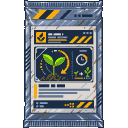
Type. Plantable (seed). Common. Stackable.
"Engineered for rapid yield in industrial-residential climates." The Janitech catalog's entry-level seedling — the Voorhes family considered "efficient" and "fast" and settled on both. Approximately 60 minutes from planting to harvest. The fastest turnaround in the seedling line.
Harvest yield. Composted Yield — a basic crafting reagent. The Quick-Cycle is honest about what it is: fast, predictable, and not glamorous.
Found. In floor supply closets, as loot, or occasionally from Sully's bench stock.
Janitech Cordvine Runner

Type. Plantable (seed). Common. Stackable.
A fast, aggressive creeper Janitech grows for "containment trim and erosion control," per a catalog entry no one has read. Roughly 60 minutes from planting to harvest. The Survival runner's supply line: harvest the runners into Tensile Plant Fiber, the cordage that twists into the snare, the cage, the pet's chow, and a crude body wrap. A gardener with a Cordvine going keeps the whole trap-and-pet economy stocked without buying anything from Sully.
Harvest yield.  Tensile Plant Fiber. The planter's second job, after medicine.
Janitech Redleaf Sprig

Type. Plantable (seed). Uncommon. Stackable.
A crimson-leafed cultivar with a slight bitter aroma — both, the Janitech Wellbeing Catalog notes, "clinically indicative of medicinal compound accumulation." The catalog is correct, in the sense that it is describing a real thing, in the tone of a product brochure. Approximately 90 minutes from planting to harvest. As featured on page 14.
Harvest yield. Redleaf Concentrate — an uncommon medicinal reagent. Combines at the workbench into a Janitech Bristle-Brand Tonic, and — for the Alchemy L15 runner — field-crafts into the Healing Salve and the Antidote. The Network does not endorse the tonic. The Programming Director drinks it anyway.
Notable drop. The Foreman carries a 2% chance at a packet of Redleaf seedlings — his one recorded act of horticulture.
Janitech Volticap Bulb

Type. Plantable (seed). Uncommon. Stackable.
A copper-veined tuber developed in cooperation with the Janitech Battery & Bristle Division. "Mildly conductive at maturity — harvest with provided gloves." No gloves are provided. Approximately 90 minutes from planting to harvest.
Harvest yield. Volticap Charge Cell — an uncommon conductive reagent. The Janitech Battery & Bristle Division insists it is not technically a battery. It stores a small charge. Combines at the workbench into a Janitech Volticap Charge Pack — a paper-sleeved organic energy cell.
Janitech Ghostbloom

Type. Plantable (seed). Rare. Stackable.
A slow-growing decorative cultivar prized for translucent petals and, per the catalog, "a faintly camera-shy presentation." Best planted in Sanctuary, where the traffic is light. Approximately 3 hours from planting to harvest.
Harvest yield. Essence of Shroud — a rare veil-tagged reagent pressed from the petals. The label is difficult to read when you look at it directly. Janitech's QA department signed off on a Tuesday. Combines at the workbench into a Janitech Ghostbloom Draught — which Network records will log the runner as "in transit" for sixty seconds. Janitech's lawyers prefer the effect described as "gently soothing."
Some runners have reported anomalies in the Ghostbloom's growth — a leaf that the seed packet does not account for. See Sanctuary note. Audience Research is collecting the reports.
Janitech Heritage Sprout (Mixed Lot)

Type. Plantable (seed). Rare. Stackable.
Hand-sorted from a clearance crate at the back of the warehouse. Caleb Voorhes himself signed off on the packet. The growing instructions are smudged. Approximately 3 hours, give or take. "Trust the Bristle, mostly."
Harvest yield. Variable — the packet does not say, and neither does the catalog entry with confidence. Audience Research notes that the Mixed Lot is one of several sources associated with  the Misclassified Specimen — a pale leaf with one too many veins, or one too few. The Janitech Cataloging Office logs the discrepancy and proceeds with broadcast.
Gear & wearables
Worn, not swung. Defensive value through coverage and protection.
Crudely Sealed Hood

Resolved numbers — 8.7% damage reduction while worn (head slot).
Type. Equipment (head). Wearable, Exposure protection, defense. Uncommon. 50% less Exposure damage in gas.
A head covering sealed by hand against Exposure. "Crudely" is the catalog's word, not the runner's — but the runner who keeps it on in the gas does not argue the point.
Crafted from. Filter Unit + Mutant Fur Patch.
Bought from Sully's drawer at 30 chits, once Janitech has you Bristled (30 standing). The working mask: it halves what the gas does to you.
Improvised Shield

Resolved numbers — 7.5% damage reduction while worn (offhand slot).
Type. Equipment (off-hand). Heavy, cover, defense. Common.
A defensive off-hand built from floor scrap — cover the runner can carry. For a combat off-hand with a control payload, see the Wet Floor Sign.
Crafted from. Scrap Metal + Head Strap Fragment. Deconstructs into Scrap Metal + Grip Wrap.
Respirator Mask

Type. Equipment (head). Wearable, Exposure protection. Uncommon. 25% less Exposure damage in gas.
A breathing mask that seals against Exposure — the issued alternative to the hand-built Crudely Sealed Hood, which halves it. It filters the gas you stand in; a dose already in you still runs its course, so wash it off or cure it.
Bought from Sully's drawer and the vending machines at 8 chits. Deconstructs into Filter Unit + Head Strap Fragment.
Janitech Clean-Air Mask

Type. Equipment (head). Wearable, Exposure protection. Rare. 60% less Exposure damage in gas.
The mask Janitech saves for its approved list, fed clean air by a fan pack on the belt. It keeps the gas out of your lungs, not out of your boots: a dose already in you still runs its course. With the Hardened Gloves a tick in gas drops from 16 to 4.
Bought from Sully's drawer at 60 chits, once Janitech has you Bristle Approved (60 standing). The top mask, past the Crudely Sealed Hood's half.
Hardened Gloves

Resolved numbers — 7.5% damage reduction while worn (hands slot).
Type. Equipment (hands). Wearable, defense, Exposure protection. Common. 10% less Exposure damage in gas, on top of a mask's.
Reinforced work gloves. Worn on the hands for a little extra protection — defensive coverage with a measure of Exposure resistance.
Shock Plate

Resolved numbers — 21.7% damage reduction while worn (body slot).
Type. Equipment (body). Defense, conductive, electrical. Uncommon. Improvised hit: 2–5 electrical.
A conductive defensive plate worn on the body. Defensive on its own, and the base of the floor's electrical armor build.
Used in. Static Harness (with Frayed Copper Wire).
Static Harness

Resolved numbers — 21.7% damage reduction while worn (body slot).
Type. Equipment (body). Defense, conductive, electrical. Uncommon.
The upgraded electrical body armor — a Shock Plate wired into a worn harness. Defensive coverage with a conductive edge.
Crafted from. Shock Plate + Frayed Copper Wire. Deconstructs into Frayed Copper Wire + a Shock Plate.
Padded Wrap
Resolved numbers — 20% damage reduction while worn (body slot).
Type. Equipment (body). Wearable, survival-craft, defense 1. Common. Field-craftable.
Salvaged scrap padded out with twisted Cordvine fiber and lashed across the chest. Crude, lumpy, and barely armor — but it is the Survival runner's own body layer, made from what the floor gives up, with no shop trip and no bench. One point of flat defense, the same model Floor 1's other worn protection uses. The Network notes that on Floor 1 armor is flat reduction across a runner's worn slots — no per-channel resist yet; that axis opens on later floors.
Crafted from. Tensile Plant Fiber + Scrap Metal. Field craft — no bench required.
Junk & curios
Paperwork, badges, and trophies the floor leaves lying around. None of them craft, unlock, or fight — they exist to be carried to Sully's window and cashed in. Most fetch a chit or two; a couple are worth more than they look. If it's sitting in a runner's bag doing nothing, it's here to be sold.
Janitech Timecard
Type. Junk (lore, cosmetic). Sellable.
Janitech Warranty Card
Type. Junk (lore, cosmetic). Sellable.
Janitech Employee ID — J-0047
Type. Junk (collectible, flavor). Sellable.
Janitech Spotless-Grade Polish Cloth
Type. Junk (collectible, lore, cosmetic). Rare. Sellable.
Pop-Up Personnel Employment Letter
Type. Junk (lore, cosmetic, joke). Sellable.
Faraday Pocket Watch
Type. Junk (cosmetic, luxury). Rare. Sellable.
Quarterly Productivity Report
Type. Junk (lore, institutional). Sellable.
Industrial Hygiene Pending File
Type. Junk (collectible, lore, institutional). Sellable.
Misclassified Specimen
Type. Junk (collectible, lore). Rare. Sellable.
GruntCo Pipe Bracket
Type. Junk (collectible, industrial). Sellable.
↑ Back to Overview — Floor overview. For weapons and techniques, see Weapons & Gear. For what these build into, see Recipes.